

Why Is SEO Such a Critical Topic?
Search engine optimization is a strategic digital marketing discipline that enables your website to rank at the top of search engines like Google, Bing, and Yandex. Starting SEO efforts with technical infrastructure improvements makes it easier to overcome challenges you may encounter in subsequent stages.
Organic search traffic is the most valuable visitor source for your website. Because these users are actively searching for something and genuinely need the content you offer. Properly implemented SEO strategies structurally organize your site and provide sustainable growth momentum.
1 – Lack of an SEO Roadmap

Before starting an SEO project, you must create a comprehensive roadmap. Setting monthly, six-month, and annual goals makes your progress measurable and places your efforts within a systematic framework. This planned approach will guide you on the path to success.
By implementing your roadmap step by step, you can systematically resolve technical errors, content gaps, and other SEO issues. Dividing the process into stages separates seemingly complex SEO work into manageable pieces, increasing your efficiency.
You can easily create and track your SEO roadmap using free tools like Google Drive and Excel, or with professional project management software.
2 – Neglecting Site Speed

Google has implemented comprehensive updates that prioritize user experience. If you want to provide a good user experience, you need to optimize your website’s page loading speed. However, the concept of speed is not limited to server performance alone. Core Web Vitals metrics, SSL certificate, mobile compatibility, and image optimization are all part of this holistic evaluation. You can reach your target audience faster by benefiting from Pixaquant’s guides on site speed optimization and increasing conversion rates.
You can use tools like Google PageSpeed Insights and GTmetrix to measure your page speed. You can find more detailed information about Google’s page experience updates at the link below.
https://developers.google.com/search/blog/2020/11/timing-for-page-experience
3 – Skipping Local Search Optimization

Both local businesses and nationally scaled companies must evaluate local search potential. Missing out on strong opportunities in regional search queries means a significant competitive loss.
Google search results in the United States can vary down to the street level. When you follow a local search-focused SEO strategy, you reach your target audience much faster and more effectively. Location-based optimized content and Google My Business listings are the cornerstones of this strategy.
4 – Incorrect Configuration of Multilingual Sites

For websites serving in multiple languages, strictly following Google’s multilingual SEO guidelines is of great importance. Although it may seem like a small detail at first glance, multilingual configuration errors can seriously and negatively affect your site’s international visibility. Hreflang tags, language variants, and regional redirects are critical components of this topic.
https://developers.google.com/search/docs/advanced/crawling/managing-multi-regional-sites?hl=tr
5 – Neglecting Semantic HTML5 Usage

If your website is coded with legacy HTML structure and has a complex codebase, transitioning to Semantic HTML5 standards is essential for search engine bots to properly understand your content.
Semantic HTML5 allows you to define your page content with structural elements such as headers, sections, menus, and footers. Through this tagging system, Google bots correctly classify each section of your site, improving indexing quality. When you divide your site into meaningful parts, you significantly accelerate the process of search engines comprehending your content.
6 – Accumulation of Weak and Valueless Content

Every page on your website should serve a specific purpose and provide real value to visitors. You must identify low-quality content written in the past, forgotten pages, and unnecessary pages automatically generated by your software infrastructure.
You should identify pages with weak content that don’t provide sufficient information to visitors or match user intent, and take the right actions. These pages can either be completely deleted or redirected with 301 redirects to stronger, related pages. In current SEO algorithms, content quality is one of the most heavily weighted ranking factors.
7 – Incorrect Configuration of Robots.txt File
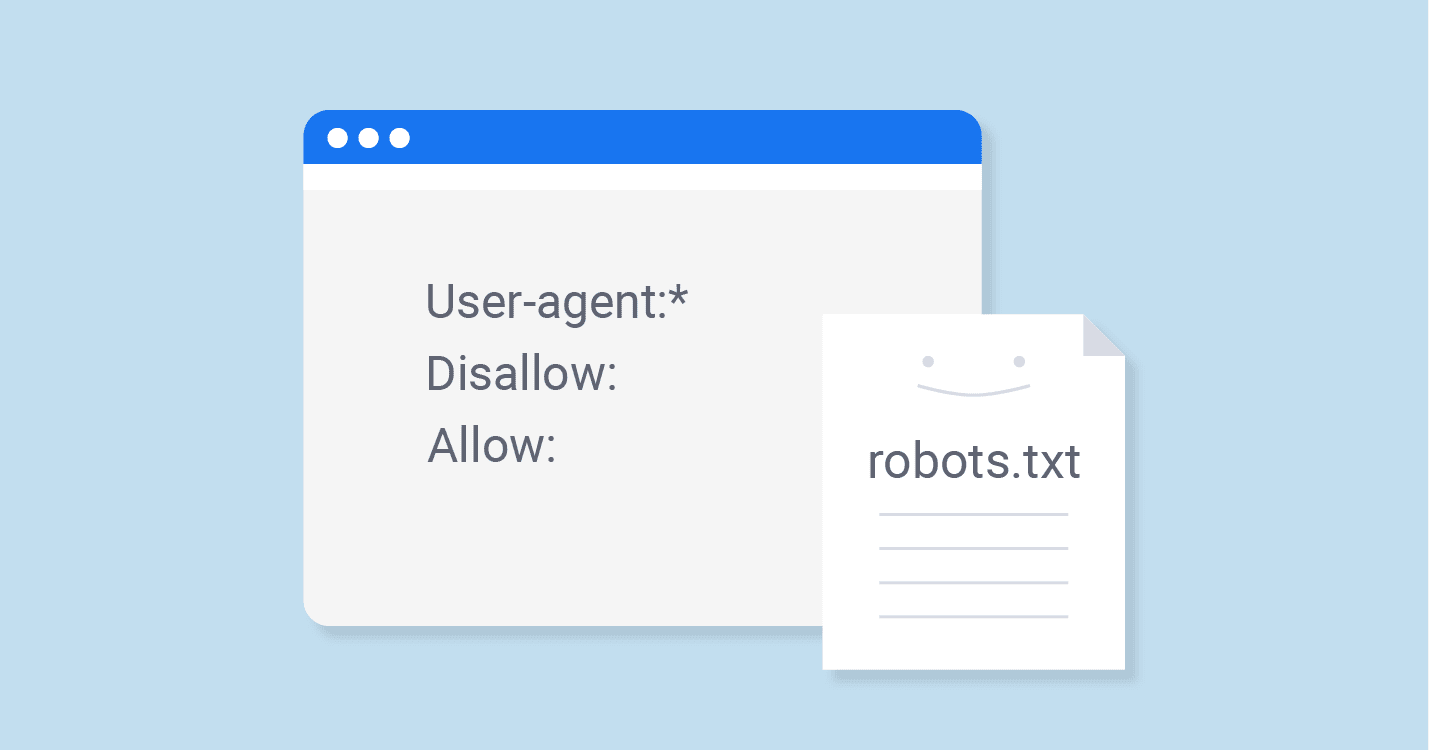
The robots.txt file in your website’s root directory is a critical configuration file that determines which pages search engine bots will crawl and which they will skip. Setting this file correctly ensures that bots discover the valuable content on your site.
If the robots.txt file is incorrectly configured, important pages on your site with organic traffic potential may be accidentally blocked. This situation directly and negatively affects your SEO performance.
You can examine indexing errors caused by robots.txt and other coverage issues in detail by going to the Coverage section in Google Search Console. You can update your website configuration by getting detailed information about creating and managing the robots.txt file.
8 – Incorrect Use of HTTP Status Codes
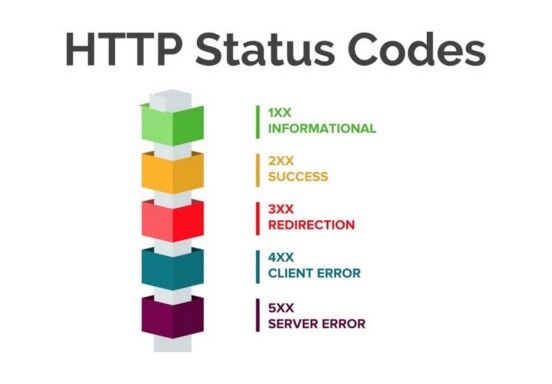
Incorrect configuration of HTTP status codes directly harms SEO performance. Such issues are particularly common on sites developed with custom software.
Errors such as pages that should return a 404 code giving a 200 response, or using 302 instead of 301 for permanent redirects, cause search engines to incorrectly index your site. This situation can lead to ranking losses.
You can use Screaming Frog SEO tool and Google Search Console to check your pages’ HTTP status codes. For a quick check, you can also use online tools like https://httpstatus.io/ to ensure your pages are returning the correct response codes.