

In this comprehensive guide, we will cover the key points to pay attention to when creating and managing your Google Ads advertising campaigns, strategies to reduce your advertising costs, and methods to improve your quality score.
What to Consider During Ad Creation
Determining the Ad Objective
Before launching your ad campaigns, you must set clear and measurable goals. If your objective is to drive more traffic to your website, you should identify the keywords with the highest search volume and focus on them.
If your goal is to achieve direct sales and conversions, you should use strong ad copy, relevant keywords, and compelling visuals that guide users toward actions like purchasing, booking, or calling by phone.
It is crucial that the landing page the ad directs to is consistent with the ad message. A cohesive page experience reduces bounce rate, strengthens user trust, and shortens the conversion funnel.
Target Audience Analysis
Before publishing ads, you need to thoroughly analyze who you want to show your ads to. Identifying the right target audience prevents your budget from being wasted on showing ads to the wrong people. In addition to defining your target audience, you can significantly optimize your costs by excluding users you don’t want your ads shown to (negative targeting).
Competitor Analysis
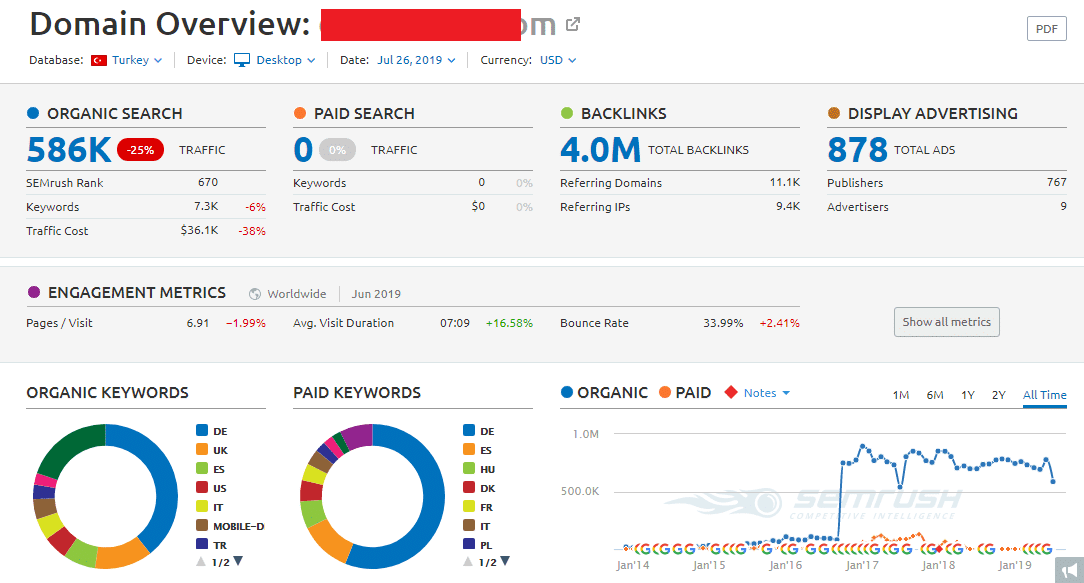
Competitor research is a step that every advertiser seeking success in the digital advertising world must carefully perform. Before creating a campaign, you should examine existing ads in the search network and analyze your competitors’ strategies, the keywords they use, and their organic search performance. This way, you can determine which keywords to focus on and shape your cost-per-click expectations in advance.
Below you can see the competitor analysis results of an advertiser planning to advertise in the shoes category.
Creating a Strategic List with Keyword Planner
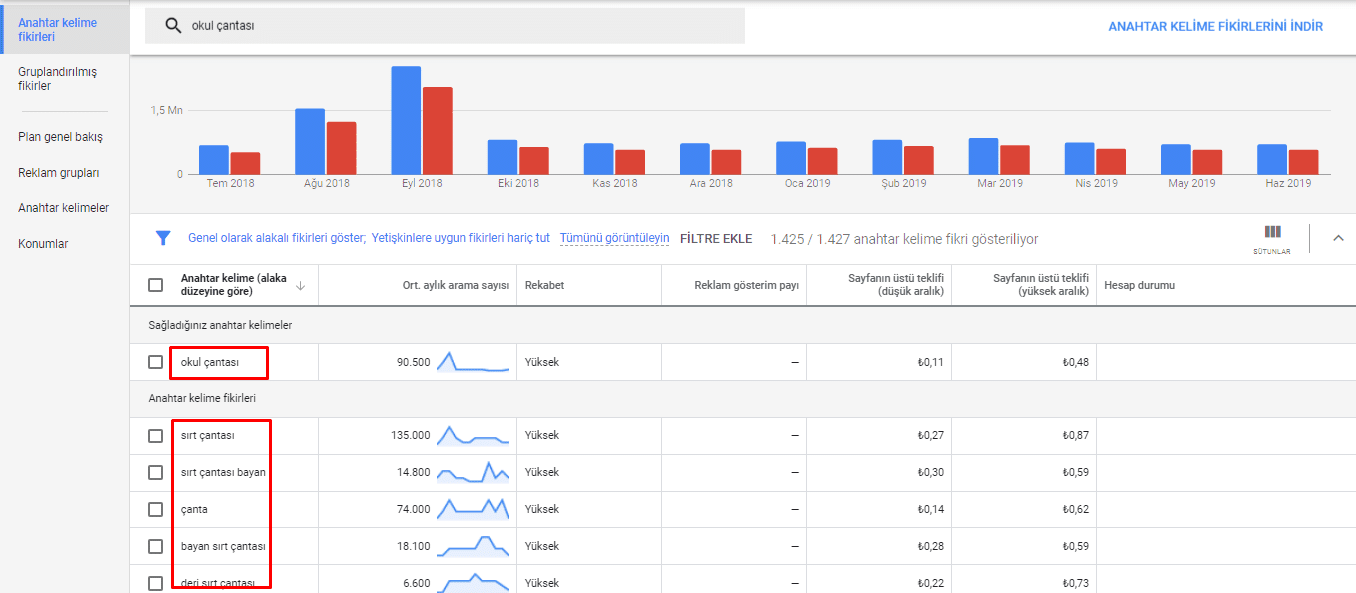
Google Keyword Planner is a completely free and powerful tool. Using this planner, you can see in detail the keywords you will advertise on, competitor strategies, cost-per-click estimates, and competition levels. You can optimize your advertising list by identifying low-cost but high search volume keywords.
Using Effective Headlines in Ads
You must use your target keywords in your ad headlines and description text. More importantly, these texts need to be directly relevant to the landing page the ad directs to. Users quickly leave the page when they don’t see a message matching what they searched for. This situation both increases your bounce rate and negatively affects your quality score.
Improving Quality Score
To achieve high conversion rates in your Google Ads campaigns, having a high quality score is a critical requirement. Quality score is a value between 1 and 10 determined for each keyword that measures the relevance of the ad. This score directly determines the position of your ads and the amount you pay per click.
If you have a high quality score, you can rank higher even with lower bids than your competitors. Improving your quality score ensures your ads are displayed in better positions while also reducing your cost per click. Having a comprehensive SEO audit of your website is also an important factor that supports this process.
Remarketing
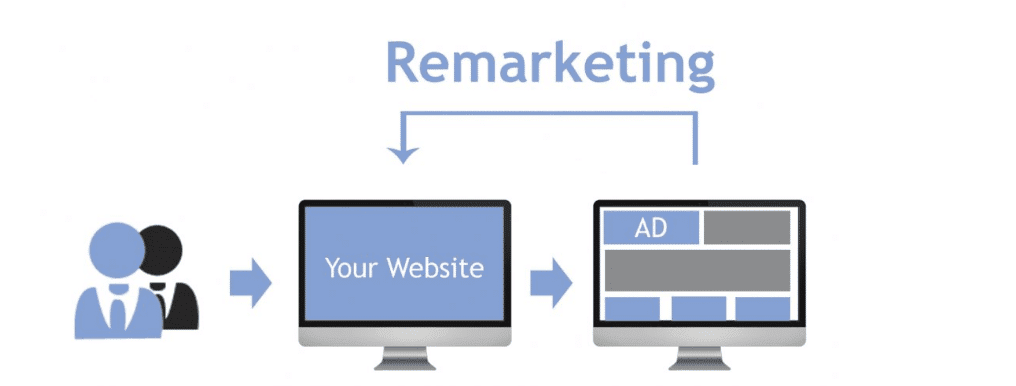
By adding a remarketing code to your website, you can bring back users who have previously visited your site while they browse the internet. Google Ads remarketing tags make it possible to reach potential customers who are closest to making a purchase. Re-engaging with visitors both increases conversion rates and allows you to show ads to this audience at a lower cost.
Mobile Compatibility of the Website
Mobile device usage rate in Turkey has exceeded 90%. Therefore, your website being compatible with mobile devices is critical for the success of advertising campaigns. Ads directed to sites that are not mobile-friendly result in low conversions, high bounce rates, and inefficient use of the advertising budget.
Site Loading Speed Check
You must perform a page speed test before launching ad campaigns. Directing ads to a slow-loading site causes users to leave before the page loads, wasting your budget. Improving site loading speed before a campaign directly increases the return on your advertising investment. You can easily measure your site’s performance with tools like Google PageSpeed Insights.
What to Consider During Ad Management
Keyword Optimization
Different variations of the keywords used in your campaign can deliver unexpected conversions. By regularly reviewing the search terms report, you should add searches that bring traffic and conversions to your keyword list and optimize underperforming keywords.
Negative Keyword Optimization
One important but often overlooked topic by many advertisers is negative keywords. The keywords you add can sometimes trigger searches unrelated to your business or services. This leads to unnecessary click costs without generating conversions. Regularly checking search terms at both campaign and ad group levels and adding irrelevant keywords to the negative list is one of the most effective ways to protect your budget.
Display Ad Network and Remarketing Placements
If you are using display ad network or remarketing campaigns, you need to regularly audit which sites your ads are being displayed on. Blocking unnecessary and irrelevant site placements enables you to direct your budget to the right channels and reduce costs.
Conversion, Order, and Phone Call Tracking
When creating your ad campaign, you need to define a conversion action appropriate to your goal. If your objective is sales, you can define each purchase or add-to-cart as a conversion. If targeting phone calls, you can record clicks on the call button as conversions. Through this tracking system, you can clearly see which channels and keywords bring conversions, and manage your advertising spending most efficiently by shifting your budget from non-converting areas to converting ones.
Location-Based Tracking
If you are a business serving all of Turkey, you can measure in detail how many conversions you receive from which cities. You can allocate more budget and bid weight to provinces that generate conversions while lowering bids for regions that don’t convert or have high costs. This location-based optimization significantly increases the return on your advertising spending.
Device-Based Optimization
By analyzing which devices (desktop, mobile, or tablet) your Google Ads conversions come from, you can adjust your bid ratios accordingly. For example, if your business is more suitable for mobile searches, you can use your budget efficiently by lowering desktop bids. Or if you have a longer ordering process, focusing on desktop users might be a logical strategy.
Demographic Targeting
By analyzing which age range and gender bring more conversions in your ad campaigns, you can increase bids for high-performing demographic segments. Conversely, you can optimize your budget by excluding or lowering bids for age groups with high costs and low conversions.
Ad Scheduling
By analyzing which days of the week and which hours of the day your campaigns generate more conversions, you can increase bids during high-performing time periods and reduce bids during low-performing hours. With this strategy, you make the most efficient use of your budget.
When you regularly apply all these optimization steps, your ad campaigns will run at maximum performance and your advertising costs will decrease significantly. As Pixaquant, we offer professional solutions in digital advertising management.
If you’d like to explore different channels of the digital marketing ecosystem, we recommend reviewing our content on digital marketing and its channels.