
YouTube ads now reach over 2.7 billion monthly users worldwide, making the platform the second-largest search engine after Google and a serious revenue channel for brands that know how to structure campaigns. Yet most agencies treat YouTube like a repurposed TV buy, burn budget on skipped pre-rolls, and walk away calling video “hard to attribute.” The truth is, profitable YouTube advertising comes down to four levers: format choice, audience targeting, creative structure, and measurement tied to revenue. This guide breaks down each one with concrete tactics, current pricing benchmarks, and a workflow you can run this week.
What Are the Most Effective YouTube Ad Formats in 2025?
The most effective format depends on your goal. Skippable in-stream works for consideration, non-skippable drives recall, and in-feed video captures high-intent search traffic. According to Google, skippable in-stream ads remain the workhorse because you only pay when a viewer watches 30 seconds or interacts (Google Ads Help, 2025).
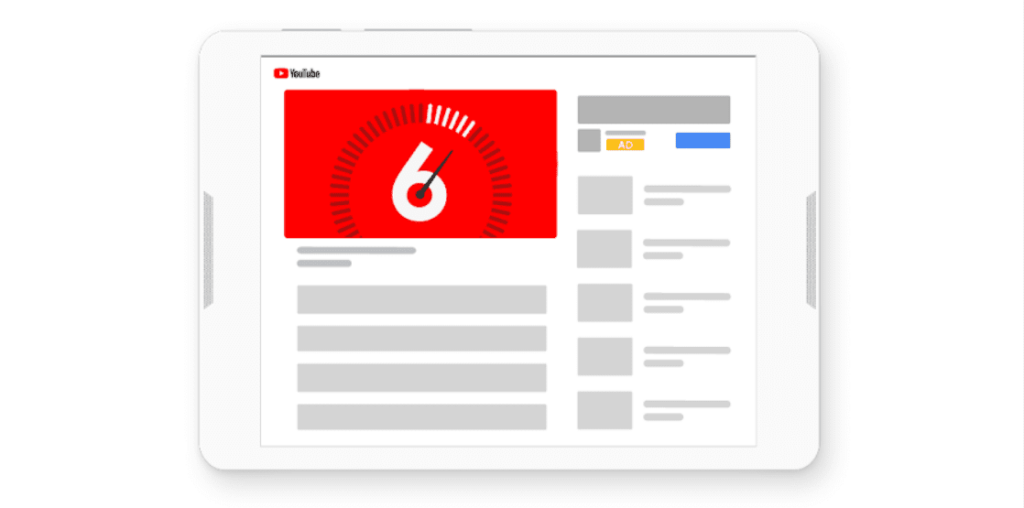
Bumper ads, those six-second non-skippable spots, are cheap and excellent for frequency. Use them to reinforce a message from a longer creative. We’ve found that pairing a 30-second skippable ad with a six-second bumper lifts brand recall more than running either alone.
Format Selection at a Glance
| Format | Best For | Typical Pay Model |
|---|---|---|
| Skippable in-stream | Consideration, conversions | CPV (after 30s or click) |
| Non-skippable (15s) | Brand recall, reach | Target CPM |
| Bumper (6s) | Frequency, reminders | Target CPM |
| In-feed video | High-intent search | CPV (on click) |
How Much Do YouTube Ads Cost?
YouTube ad costs average $0.10 to $0.30 per view for skippable in-stream, with CPMs typically landing between $8 and $15 depending on industry and audience saturation. WordStream reports that the average YouTube cost per view across industries sits near $0.026, while highly competitive niches like finance and B2B SaaS push far higher (WordStream, 2025).
Budget allocation matters more than total spend. A common mistake is dumping everything into a single audience and hoping the algorithm figures it out. Instead, reserve roughly 20% of budget for testing new creatives and audiences each month.
What Affects Your YouTube Ad Pricing?
Three factors dominate: audience competition, creative quality score, and bidding strategy. A remarketing list costs less to reach than a cold audience because fewer advertisers compete for it. High watch-through and click-through rates lower your effective CPV because Google rewards relevance.
How Do You Target the Right Audience on YouTube?
YouTube targeting works best when you combine layered audiences rather than relying on a single signal. The strongest setup pairs customer match lists with affinity audiences and in-market segments, then excludes past buyers to avoid wasted impressions. Google’s own data shows advertisers using layered audience strategies see up to 40% lower cost per acquisition than those using broad targeting alone (Google for Retail, 2025).
Affinity audiences reach people with long-term interests, while in-market reaches those actively researching a purchase. Stack them when budget allows. We’ve found that layering in-market intent over a custom affinity audience consistently outperforms either option in isolation.
Custom Intent and Life Events
Custom intent audiences let you target users based on the exact Google search terms they typed. This is one of the closest things to search-intent targeting available on video. Life events target major milestones like moving or graduating, which create brief windows of high purchase intent.
What Makes a YouTube Video Ad Actually Convert?
Converting creative follows a predictable structure: a pattern-interrupt hook in the first five seconds, a clear value promise by second fifteen, and a single call to action before the end. Google’s analysis of top-performing ads found that the first five seconds predict up to 74% of total watch time, making the hook the single highest-leverage moment in any creative (YouTube Ads Creative Gallery, Think with Google, 2025).
Many advertisers waste the opening on logos and brand intros. Viewers don’t care about your logo in second one. Open with a question, a bold claim, or a visual that resolves a pain point. Then introduce the product as the answer.
Test Two Creative Variants Minimum
Run at least two hooks against the same offer before scaling. A hook that wins on watch rate usually wins on conversion too, but not always. We’ve seen a lower-watch-rate variant outperform on pipeline value because it filtered for better-fit prospects. Trust the data, not the production polish.
Which Metrics Should You Track for YouTube Ads?
Track view rate for creative health, click-through rate for intent, and cost per acquisition for profitability. Skip vanity metrics like impressions unless brand awareness is the sole goal. According to Google, a healthy view rate sits above 20% for skippable in-stream ads, and anything below 10% usually signals a weak hook (Google Ads Help, 2025).
The metric that matters most is profit, not views. A campaign with 50,000 views and no conversions is failing. A campaign with 2,000 views and 12 qualified leads is working. Tie YouTube data back to your CRM using enhanced conversions or offline import.
| Metric | Healthy Benchmark | What It Tells You |
|---|---|---|
| View rate | 20%+ | Hook and relevance strength |
| Click-through rate | 0.3% – 0.5% | Offer clarity |
| Cost per view | $0.02 – $0.10 | Bidding efficiency |
| Cost per acquisition | Varies by industry | Campaign profitability |
How Do You Run a Profitable YouTube Campaign Step by Step?
Profitable YouTube campaigns follow a repeatable loop: define one conversion goal, build three audience tests, launch two creative hooks, and let data decide where budget goes. The teams that win are the ones that pause losing ads quickly rather than letting them drain spend. At PixaQuant, we structure every new YouTube engagement as a four-week learning sprint before scaling.
- Set one primary goal. Pick demo bookings, purchases, or qualified leads. One goal per campaign.
- Build audience tests. Launch three distinct audiences with identical creative to see which converts cheapest.
- Test creative hooks. Run two five-second openings against the same offer and audience.
- Optimize weekly. Pause anything below benchmark view rate and reallocate to winners.
- Measure against revenue. Import offline conversions so the algorithm optimizes for real outcomes.
Conclusion
YouTube ads are profitable when you treat them as a structured test, not a broadcast. Choose formats based on goals, layer audiences for intent, open every creative with a five-second hook, and measure against revenue rather than views. Costs between $0.10 and $0.30 per view are normal, but the benchmarks that matter are view rate above 20% and a CPA your business can sustain. Run tight creative tests, pause losers fast, and let the data direct your budget. That’s how video advertising stops being a brand exercise and starts driving pipeline.